Aksaray University
Memduh BİLMEZ BiyoNanoTeknoloji Araştırma Laboratuvarı


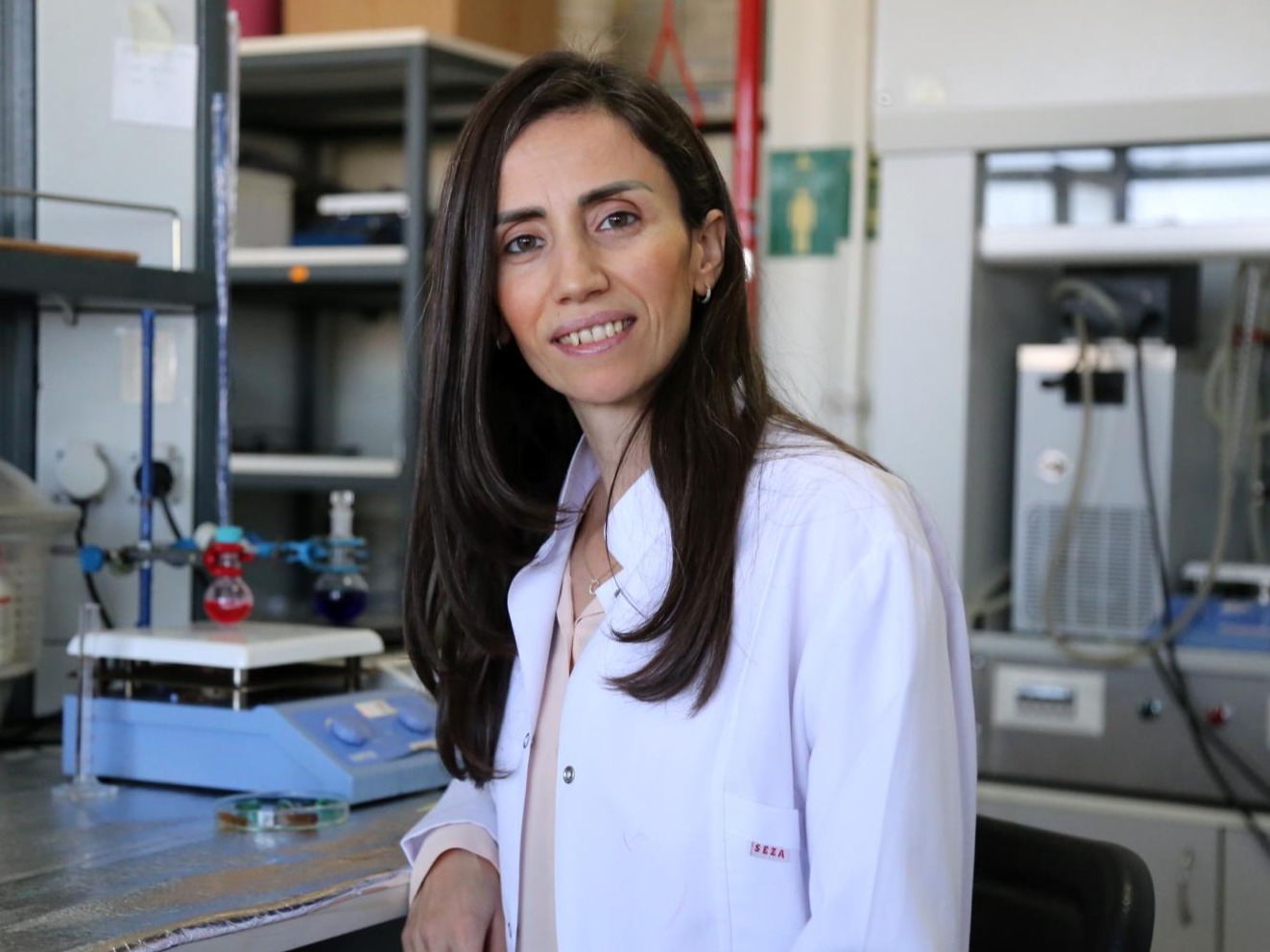
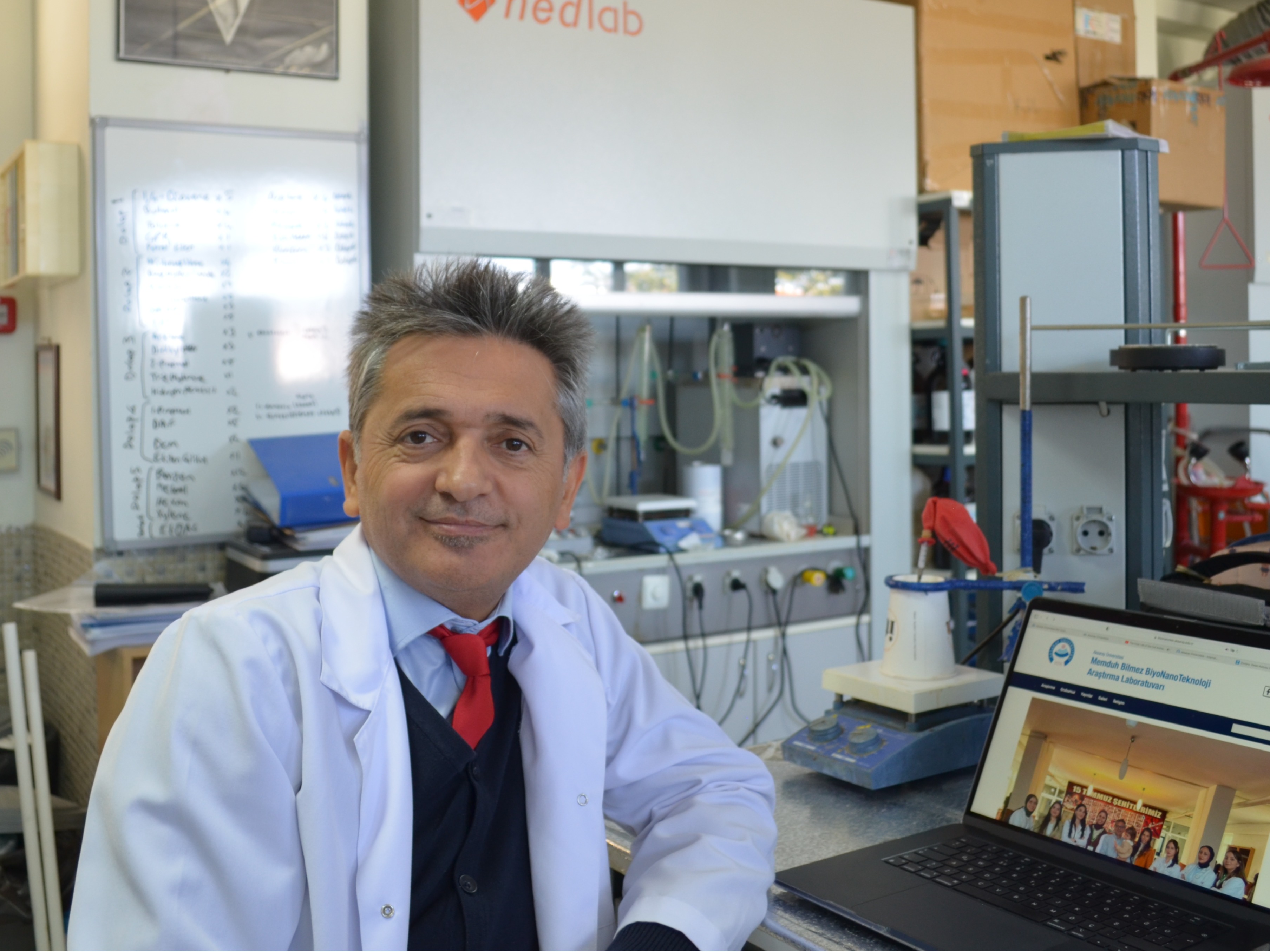
The work titled ‘A Generic Platform for Fluorescence and Chemiluminescence Dual-Channel Chemosensors’ by Prof. Dr. Melek Pamuk Algı, a faculty member of the Chemistry Department of the Faculty of Arts and Sciences at Aksaray University, and Prof. Dr. Fatih Algı, a faculty member of the Department of Molecular Biology and Genetics, received patent approval from the TURKISH PATENT AND TRADEMARK AGENCY due to its inventive step and industrial applicability. The academicians noted that this invention relates to a generic platform developed for fluorescence and chemiluminescence dual-channel sensors that can be used in ion and molecule recognition sensors and optical imaging agents and detection/identification processes. They stated that they worked for 36 months in the TÜBİTAK 1001 project (Project No: 118Z293) to develop these new materials that can be used as sensors and imaging agents. The materials developed within the scope of the invention can be used in fields such as chemistry, biology, biotechnology, and nanotechnology. Prof. Pamuk Algı stated that as a result of their research, they have developed new materials that enable the simultaneous detection of certain biologically important chemical species using both fluorescence and chemiluminescence methods, adding that the number of such materials is quite limited. Prof. Dr. Pamuk Algı noted that chemicals such as pyrophosphate, adenosine 5′-diphosphate, hydrogen sulfide, hypochlorite, and L-glutathione play important roles in various biological processes, and said that this invention has enabled the development of new molecular sensors that can be used in the preliminary diagnosis of some diseases. Prof. Pamuk Algı stated that the developed materials can easily detect certain biomarkers such as pyrophosphate, adenosine 5′-diphosphate, hydrogen sulfide, hypochlorite, and L-glutathione found in living cells, and also allow for imaging of living cells, emphasizing that the most important feature of these developed materials is that they are organic materials designed to have no toxic effects. Academicians emphasized that three graduate students, Şeyma Ocakçı, Alim Susam and Emre Ünlü, took part in this project with an extraordinary performance and that they had a signature on the invention. They added that the invention was published as three different master's theses at the ASÜ Institute of Science and Technology and that Alim Susam's thesis received the Most Successful Graduate Thesis Award (2020).
The inventive academics stated that the patent registration of these sensors by the TURKISH PATENT AND TRADEMARK AGENCY is valuable for our university and thanked both the students in their research groups and Aksaray University for their contributions and support. Prof. Pamuk Algı noted that work on a TÜBİTAK 1001 project is ongoing in their research laboratories and that all of this work is supported by ASÜ. He added that their second national patent has been registered with the support of ASÜ, emphasizing that they anticipate the number of patents at ASÜ will increase further.